Research Collaboration

university-of-ottawa5840-w


Two-year research collaboration with the University of Ottawa. Specialized and complementary academic expertise is being applied to the key geological questions at the Kremer Project.

The collaboration brings external academic expertise in petrology, geochemistry, mineralogy and structural geology to the Kremer Project.

Led by Dr. Brian O’Driscoll, Professor and Newmont Chair in Economic Geology, the program aims to strengthen the geological model and support more effective exploration targeting.

University of Ottawa Research Collaboration – Natural Sciences and Engineering Research Council of Canada (NSERC) Alliance Program

A structured collaboration between an exploration company and a specialized academic team

The two-year research project has a total value of $388,666.


Specialized expertise in economic geology

Dr. Brian O’Driscoll, Professor and Newmont Chair in Economic Geology, leads the research project.

Dr. Fiona D’Arcy, Postdoctoral Researcher, carries out a significant portion of the work focused on the rocks and sulfides of the Kremer Project.

The university team works in collaboration with Ni-Co Energy’s technical representatives, who provide access to drill core, samples, geochemical data and geophysical data from the project. The research proposal also provides for regular meetings between the two teams and the integration of new knowledge into ongoing exploration activities.

Merit-reviewed program

The grant application was evaluated through the NSERC Alliance program’s merit review process.

The funding supports specialized scientific work aimed at improving the understanding of the origin of the mineralization, the distribution of nickel, copper and cobalt, structural controls, and the effects of metamorphism.

The results may help refine the geological model for the Kremer Project and more effectively guide future mapping, geophysical and drilling programs.

Research Areas

Sulfur Provenance

Evaluate the possible sources of sulfur and the interactions between magma and crustal rocks.

Isotopic analyses are intended in particular to determine whether the sulfur associated with the mineralization originated from the magma, the host rocks, or a combination of sources.


Petrology and Mineral Chemistry

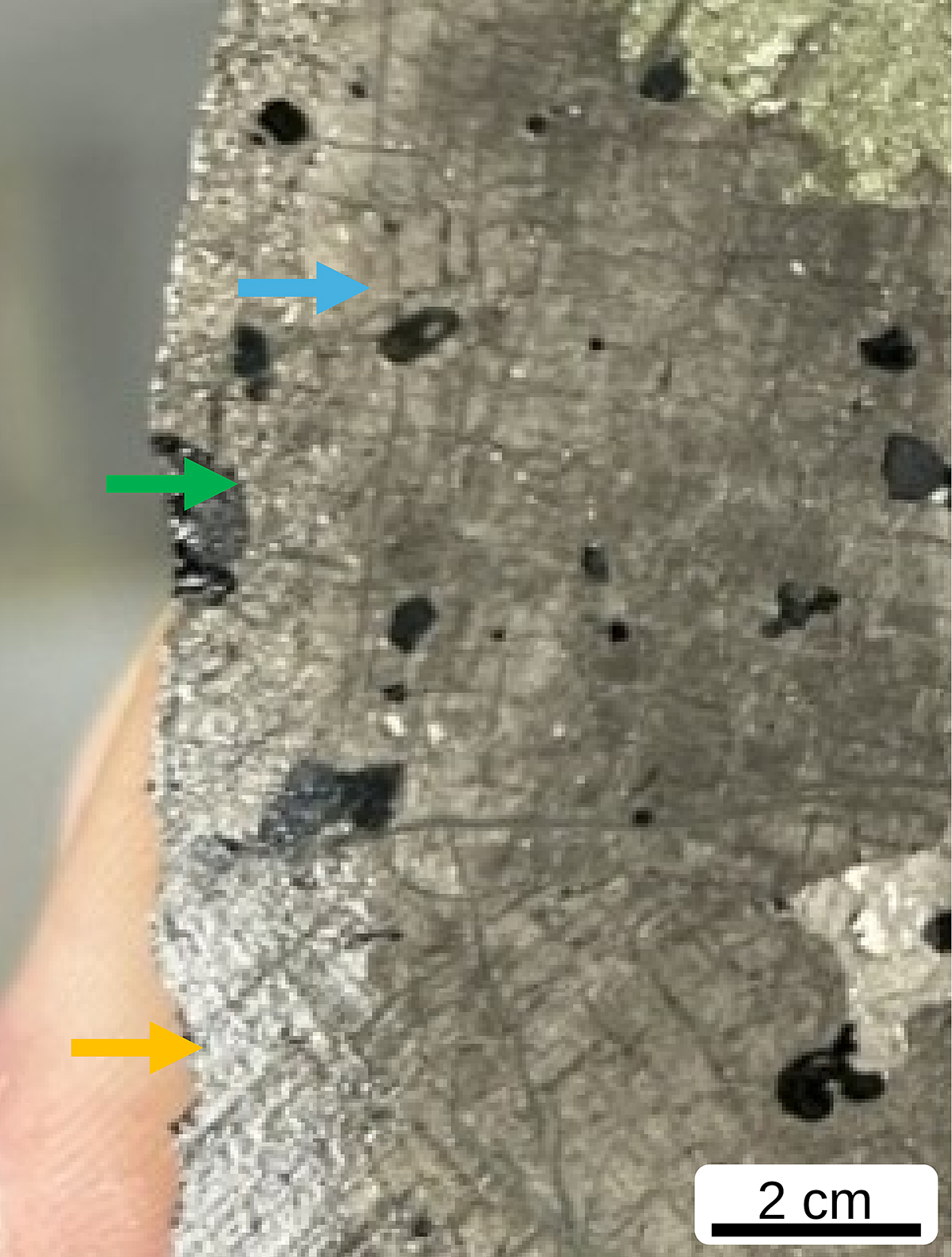
Study sulfide crystallization and the distribution of nickel, copper and cobalt among the different sulfide minerals.

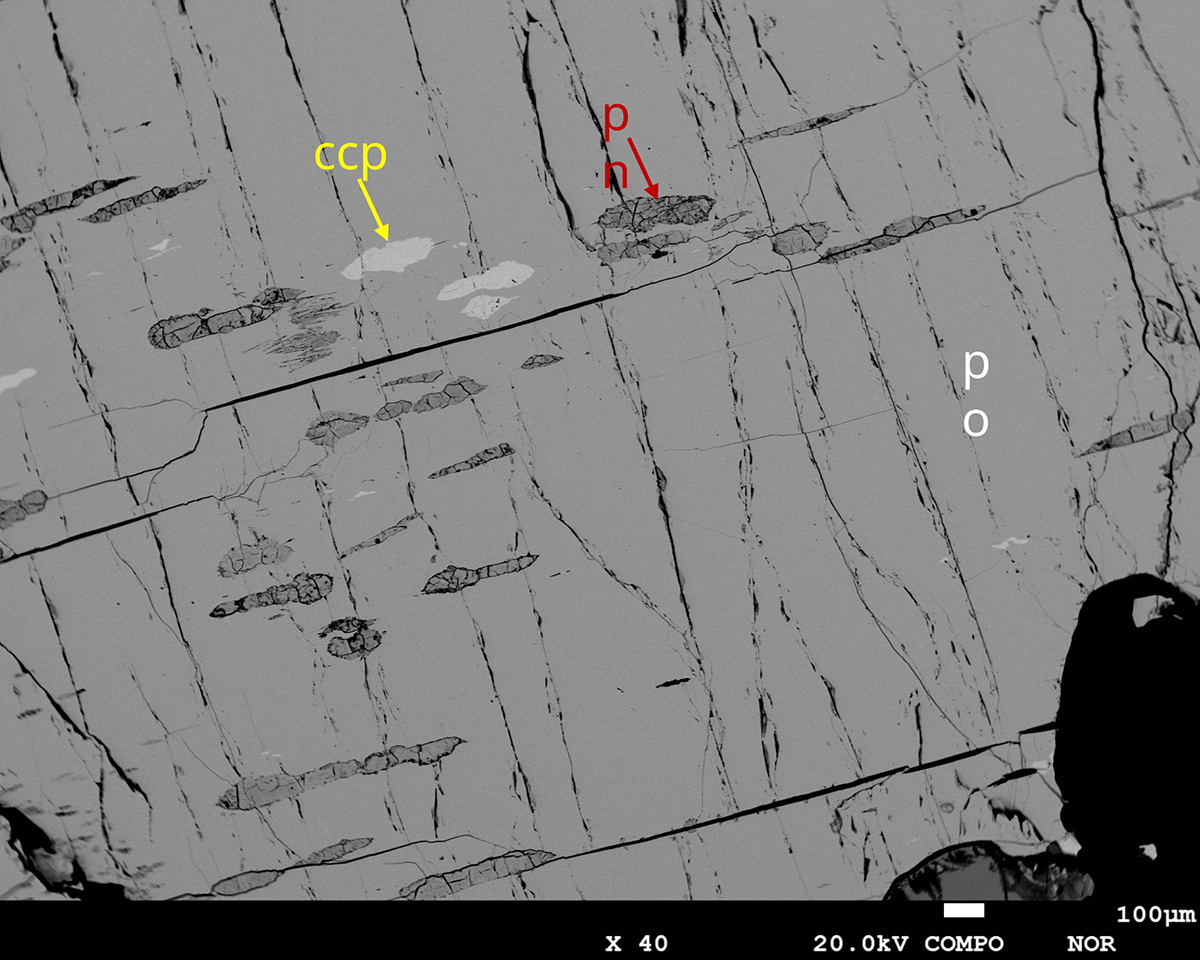
This work is intended in particular to improve understanding of how the metals are distributed among pyrrhotite, pentlandite, chalcopyrite and pyrite, as well as the processes that controlled their crystallization and preservation.

Structural Controls

Assess how geological structures may have influenced the migration, remobilization and accumulation of sulfides.

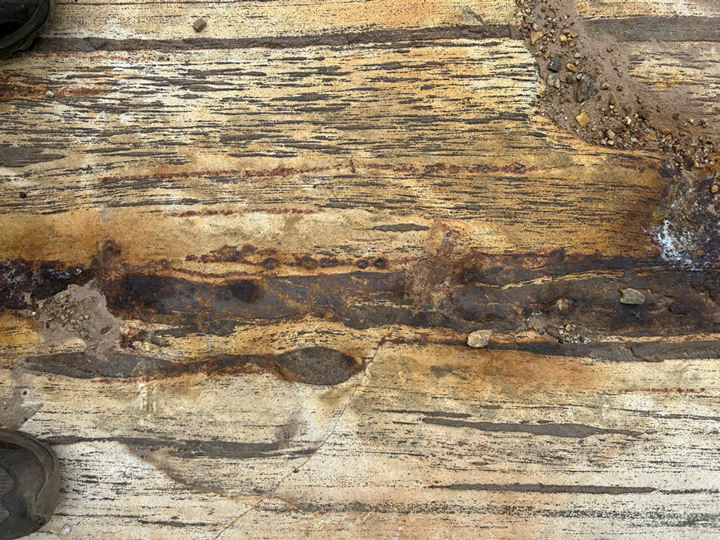
The study of drill core, folds, shear zones and other structures is intended to determine whether certain geometries favoured the concentration of mineralization.


Effects of Metamorphism

Understand how Grenvillian metamorphism may have modified, remobilized or preserved the mineralization.

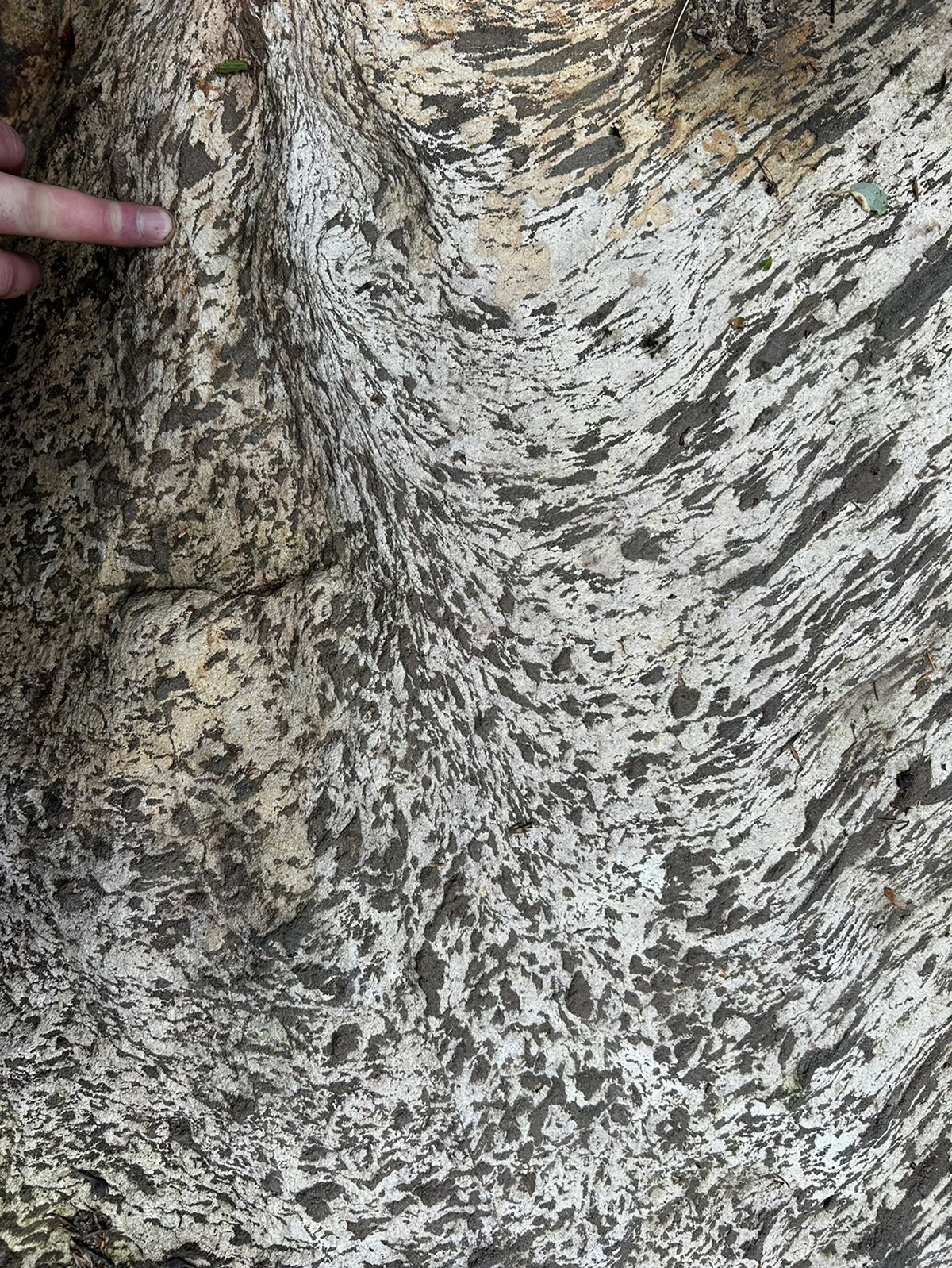
The work is intended in particular to establish the pressure and temperature conditions recorded by the rocks and assess their influence on the sulfides and their metal content.